
Mirror
Post by Coach David
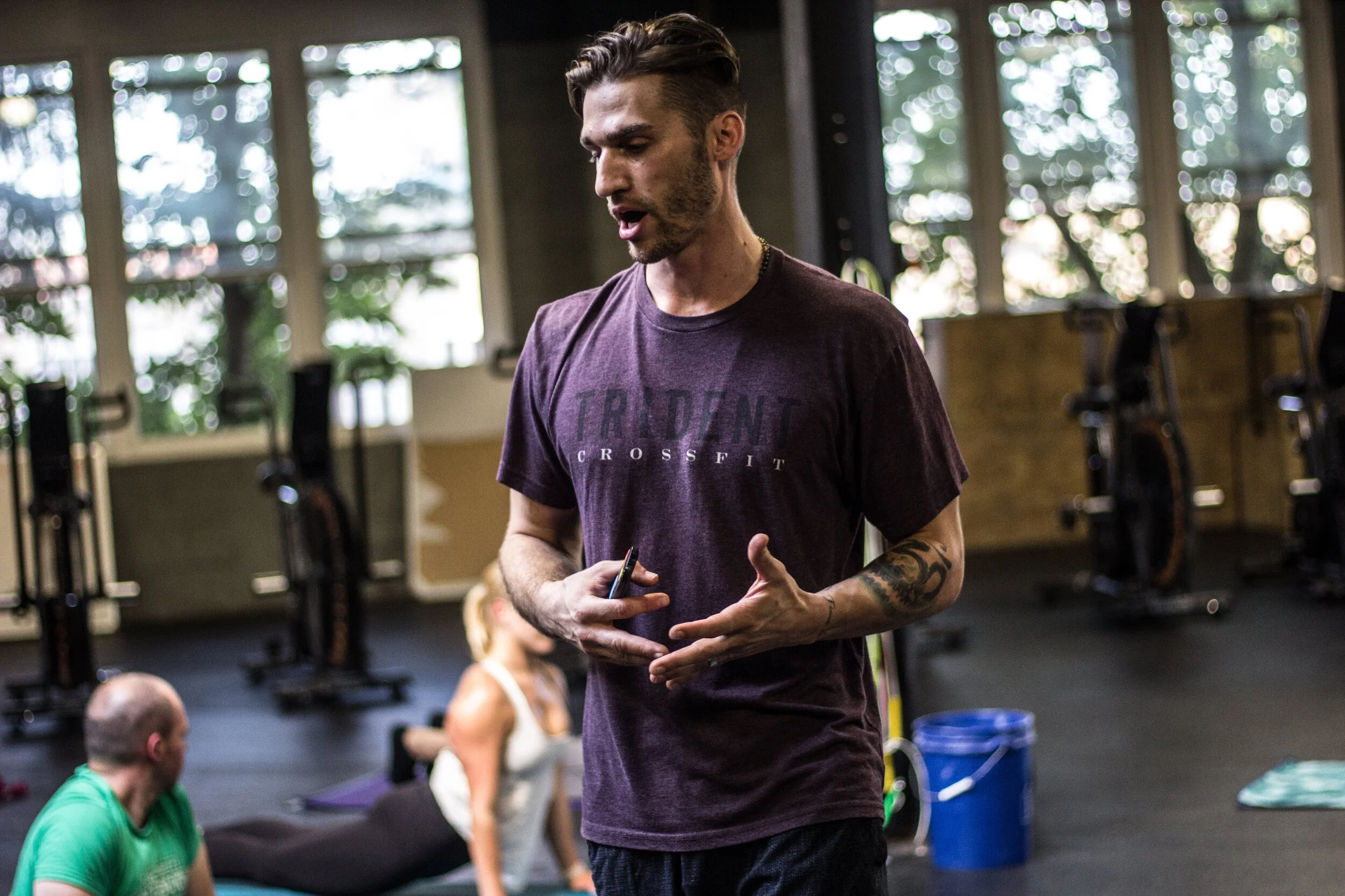
Be a mirror to your athletes.
Often times as coaches, we get too caught up in believing it is our job to “fix” our athletes. We spend so much time looking for faults in our athletes - with the subtle belief in the back of our heads - so that WE can correct it. We want to be the ones to make them better. We want to prove ourselves. And this isn’t ignorant, nor selfish. We want to make them better because we believe we can, and we believe in them. We care about them. We love knowing that we have a skillset that can help others improve physically and mentally. In many ways, their successes become our success, and their failures become our failures.
But here is the honest truth…we can’t fix anyone. We can’t make our athletes do anything they don’t want to do.
This is not an excuse for you to become lazy. If done correctly, it’s actually quite the opposite. A concept that should lead you to become a more focused, consistent, and efficient coach.
So how do we cut down on some of those failures? What’s a more appropriate approach to success for ourselves and our members? Simple - become a mirror.
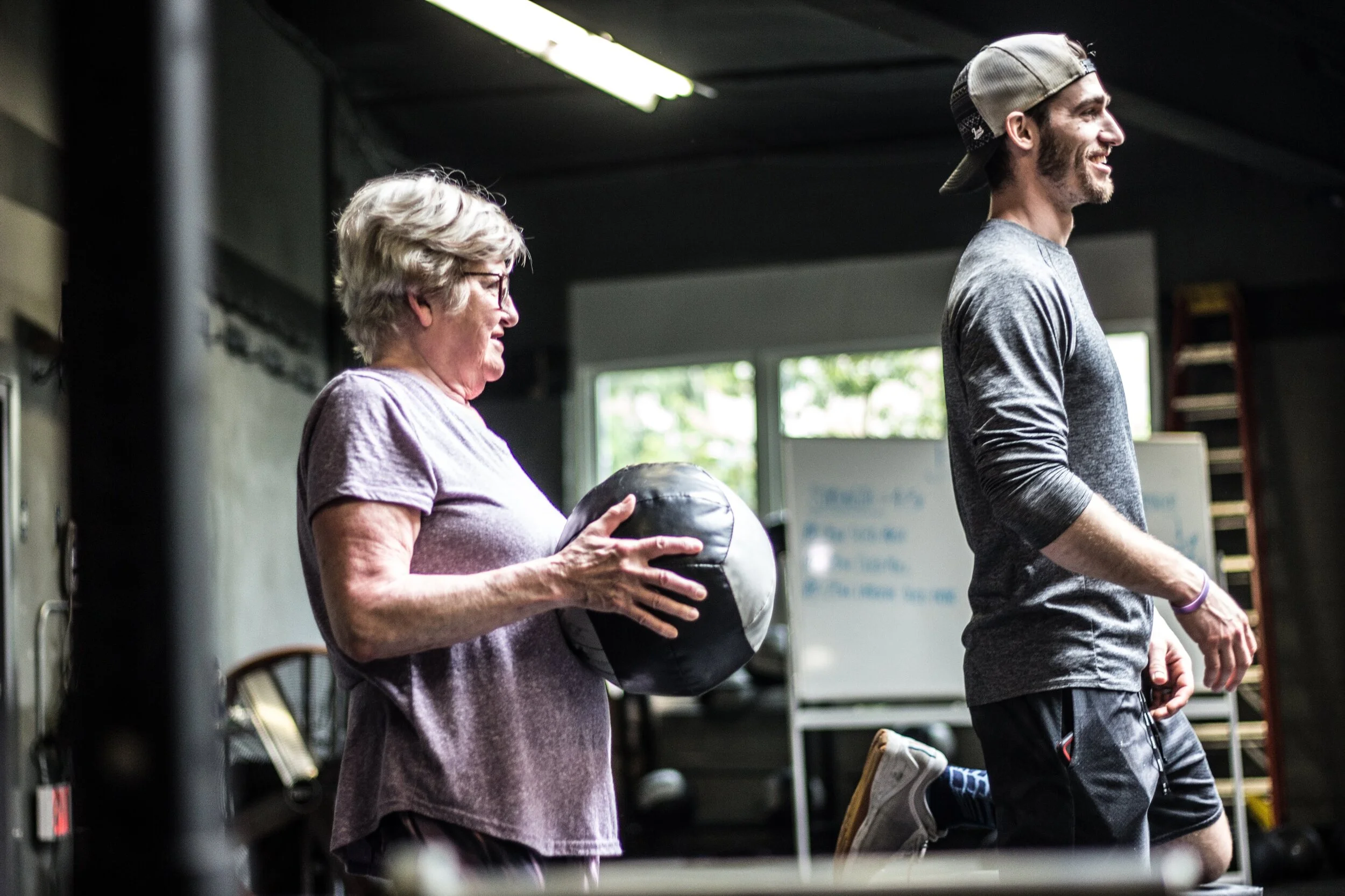
Have you ever used a mirror to fix a technique of your own? Maybe it was your baseball or softball swing. Maybe it was your basketball shot, maybe it was a kick or punch technique. Maybe it was a lift. And when you found a fault, by accident or not, did the mirror make you fix it? Of course it didn’t. The mirror simply showed you where it was. It was up to you to make the change.
This is what we can do for our athletes. Become a mirror for them. The best mirror they’ve ever purchased.
By reflecting back to our athletes we achieve a few things. Obviously, first, is we establish there is some type of fault that is hindering them - wether it be from lifting more or moving faster, or perhaps most important, from getting injured. Secondly, we establish ownership amongst that athlete. If we constantly reflect a great movement pattern to an athlete, do they suddenly become motivated to do it differently? No - they become motivated to repeat it. If we constantly reflect a movement pattern that needs fixed, do they keep it? No - they become motivated to change it. And over time, through repetition and our coaching feedback - our coaching observations - they change it. Read that again…they change it. It is their decision Their work.
Show them what they’re doing. Show them what you want. Do not be so caught up in believing you have to fix them. Let people fail. (Not to be confused with letting them do something dangerous and getting hurt). Let. Them. Fail. Let’s guide our athletes. Let’s be better not by flexing our knowledge, but by demonstrating our ability to give space for every single one of our athletes to grow.